
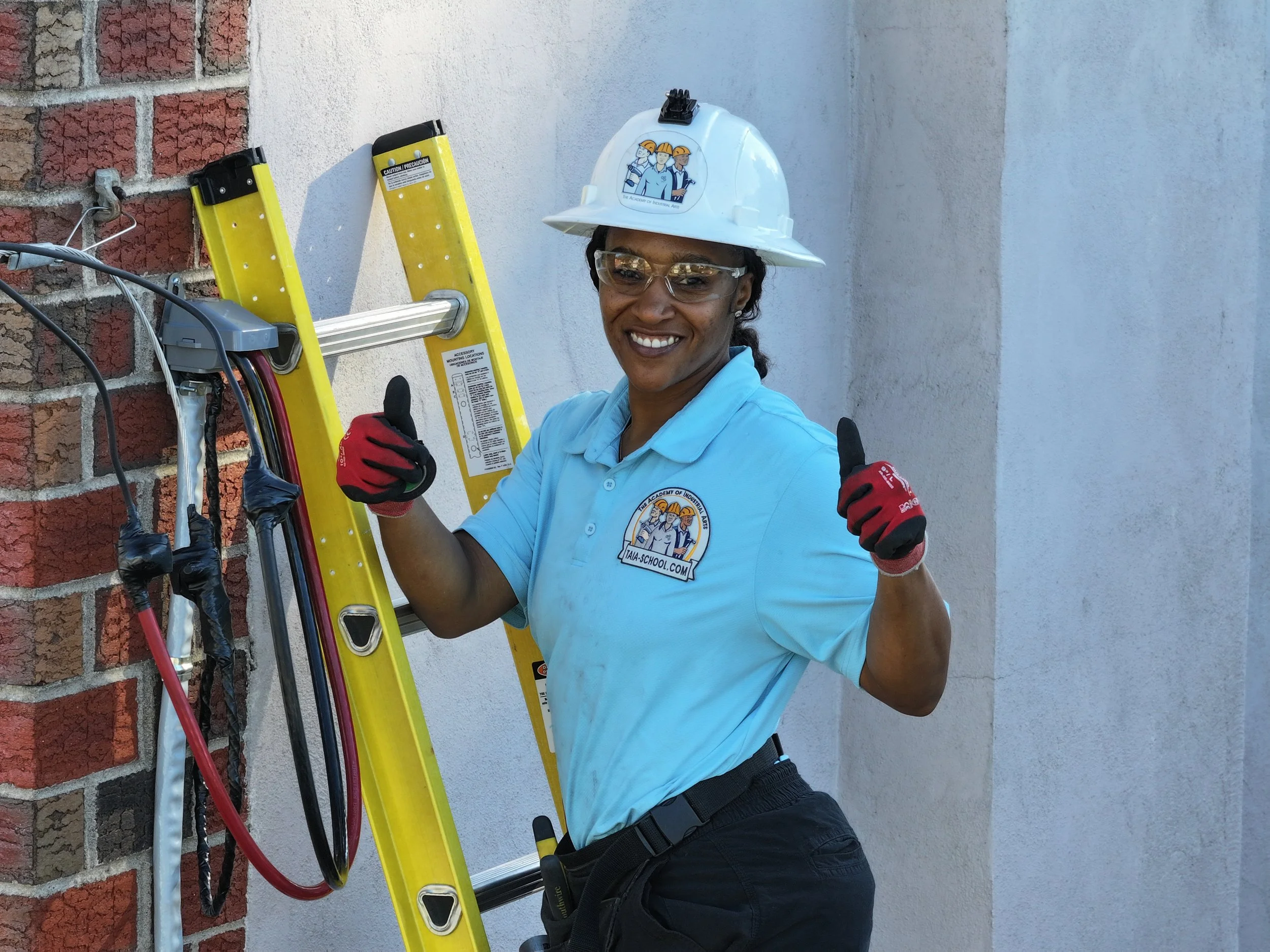
How to become a Licensed electrical contractor in Pennsylvania
Understanding The New Pennsylvania Electrical Licensing Laws (Abbreviated)
Individual Electricians
An individual who is licensed by the board and engages in the business of contracting to perform electrical services. In the state of Pennsylvania, effective as of October 2029, an individual may not provide electrical services for monetary compensation, offer the individual for employment as someone who may provide electrical services, or hold the individual out as someone authorized to provide electrical services unless licensed as a licensed electrician or licensed residential electrician by the board. Only a licensed electrician or a licensed electrician on inactive status may use the title "licensed electrician" and the abbreviation "L.E." No other individual may use the title "licensed electrician" or the abbreviation "L.E." Except as provided in subsections (d) and (g), Section 501 and the Licensure Requirement in Chapter 5.
A licensed electrical contractor may not:
Use the license to secure construction permits on behalf of a business entity other than the licensed electrical contractor's primary employer; “no selling of license” or pulling permits for work not being performed by the license holder.
Manage or perform electrical work using licensed electrical workers who are not employed by their primary employer or a subcontractor of their primary employer.
Engage in securing construction permits or managing electrical construction work for more than one business entity at a time.
Business Entities
An individual, corporation, partnership, firm or other entity may not contract to provide electrical services unless the person is licensed as a licensed electrical contractor in accordance with this act. Only a person that holds an electrical contractor’s license or a licensed electrical contractor on who has maintained “inactive status” may use the title "licensed electrical contractor" and the abbreviation "L.E.C." This typically means:
·



The contractor may need to keep insurance coverage while inactive
Meet Annual continuing Educational Requirements to maintain inactive status
Not perform or provide electrical services under the company in inactive status
Pay annual license fees associated with license, business or company in inactive status
Electrical Sub-Contractors
No other individual, corporation, partnership, firm or other entity may use the title "licensed electrical contractor" or the abbreviation "L.E.C." A contractor or prime electrical contractor may not enter into a contract for the provision of electrical services with a person that is not licensed as a licensed electrical contractor under this act. That means all or any sub-contractors performing electrical work must be licensed electrical contractors or employ an individual to provide electrical services or direct an individual to provide electrical services unless the person is licensed under this act.

This is a live instructor led course, we are the highest Rated license preparation course in the Tri-State Area. Course runs for 10 Weeks. You are registering for a master level electrical license prep course for Philadelphia Master Electrician Examination, State of Delaware Examination, Bucks County, Delaware County, Montgomery County and Allegheny Counties. If you have any questions check out our videos.


Who may use the term “Licensed Electrical Contractor”
A licensed residential electrician or a licensed residential electrician on inactive may use the title "licensed residential electrician" and the abbreviation "L.R.E."; no other individual may use the title "licensed residential electrician" or the abbreviation "L.R.E." unless at least one employee or, if the person is the owner, is licensed as a licensed electrician. The term "licensed electrician," "licensed residential electrician" or "licensed electrical contractor" or another derivative in connection with the person licensed residential electrician or licensed electrical contractor may use the term under section 506(b) Subject to subsection(h),(c)Title 506(b)under Business entities status.
He or she is responsible and qualified to perform the installation, erection, repair, removal, maintenance, demolition or alteration of a component of a premises wiring system as defined in the version of the National Fire Protection Association 70E Electrical Safety Standard 70 NATIONAL ELECTRIC CODE, or subsequent version adopted under the act of November 10, 1999 (P.L.491, No.45), known as the Pennsylvania Construction Code Act, including work performed on all components of electrical equipment and systems in buildings and structures and on premises, on a temporary basis or permanently, for the generation, transmission, distribution and utilization of electrical energy. Demolition of a premises wiring system includes the process of disconnecting, deenergizing premises wiring systems, or both, to make them safe for general demolition and removal.

New Laws Regarding Electrical Apprentices
An individual who is a licensed apprentice electrician may hold the individual out as being authorized to provide electrical services if the individual works under the direct onsite supervision of a licensed electrician, including a licensed electrical contractor. A licensed electrical contractor under a contract for electrical services shall:
Inspect
Supervise
Bear The Responsibility and liability for electrical services performed by a licensed electrician, licensed residential electrician or licensed apprentice electrician employed by the electrical contractor under the contract.
A licensed apprentice electrician or a licensed apprentice electrician on inactive status may use the title "licensed apprentice electrician" and the abbreviation "L.A.E." No other individual may use the title "licensed apprentice electrician" or the abbreviation "L.A.E." Apprentice. under section 506(b).
New Rules for Licensed Electrical Contractors in Pennsylvania
Public notice of licensure
A licensed electrical contractor shall prominently display his/her license number to the public on:
Vehicles
Letterhead
Official Advertisements
Contracts And Proposals
Any other reasonable means determined by the Electrical Licensing Board
An individual licensed under this act shall be required to carry proof of licensure “at all times” while performing electrical services. Proof of licensure shall be presented to any code official, emergency responder or law enforcement official “upon request”. The manner and means by which the license information must be displayed and furnished shall be prohibited actions by licensed electrical contractors.

Exceptions to electrical licensing requirements for homeowners in Pennsylvania
This act shall not apply to, and a license shall not be required for, the following:
A person's own residence, including attached or
Unattached accessory structures and the parcel of land upon which the structures are situated.
A person's own farmstead.
The premises of a single-family dwelling unit that is in the process of being constructed if the person owns the premises and intends to occupy the premises as the person's residence when construction is complete.
The replacement of lamps and fuses.
The connection of portable electronic appliances to permanently installed receptacles.
The installation, maintenance, repair and replacement of electrical or other appliances of a size customarily used for domestic use where the installation commences at an outlet receptacle or connection previously installed by persons licensed to do the same and maintenance, repair and service is confined to the appliance itself and its internal operation.
Requirements to Become a
“Licensed Electrical Contractor”
in Pennsylvania

To be eligible for licensure as a licensed electrical contractor, an applicant must fulfill the following requirements:
Be of good moral character. In assessing the moral character of an applicant with a criminal conviction, the board shall conduct an individualized assessment in accordance with 63 Pa.C.S. § 3113 (relating to consideration of criminal convictions).
Be at least 23 years of age.
Submit satisfactory proof to the board that the applicant has:
Successfully completed a program as a licensed apprentice electrician
Successfully completed a program recognized by the board that trains individuals to provide electrical services; or acquired training and experience equivalent to programs Specified in subparagraph (1) or (2), as determined by regulation of the board.
Complete the application and pay the fee set by the board.
Pass the examination approved by the board.
Submit satisfactory proof to the board that the applicant has worked at least 10,000 hours in electrical services.
Submit satisfactory proof to the board of the acquisition of professional liability insurance in an amount set by the board.
Requirements for Becoming a
“Licensed Residential Electrician”
in Pennsylvania
An individual who is licensed by the board and is authorized to perform:
Work on projects involving the construction, alteration or repair of single-family houses or apartment buildings of no more than four stories in height.
Work on incidental items, including site work, parking areas, utilities, streets, roads and sidewalks at motels, assisted living facilities, auto dealerships, fast food restaurants, car washes, gas stations or country clubs or as part of any job having less than $10,000 in direct labor costs.
Electrical services under the direct onsite supervision of a licensed electrician
To be eligible for licensure as a licensed residential electrician, an applicant must:
Be of good moral character. In assessing the moral character of an applicant with a criminal conviction, the board shall conduct an individualized assessment in accordance with 63 Pa.C.S. § 3113.
Be at least 19 years of age.
Complete the application and pay the fee set by the board.
Pass the examination approved by the board.

How to Become a “Licensed apprentice electrician” in Pennsylvania
A licensed apprentice electrician under 18 years of age shall be subject to 34 Pa. Code Pt. 1 Ch. 11 Subchapter. B (relating to employment of minors in industry) and 29 CFR 570 (relating to child labor regulations, orders and statements of interpretation). To be eligible for licensure as a licensed apprentice electrician, an applicant must:
Be of good moral character. In assessing the moral character of an applicant with a criminal conviction, the board shall conduct an individualized assessment in accordance with 63 Pa.C.S. § 3113.
Be at least 16 years of age.
Complete the application and pay the fee set by the board.
Register with the Department of Labor and Industry as specified in the Apprenticeship and Training Act.
The applicant shall submit proof of current registration to the board.
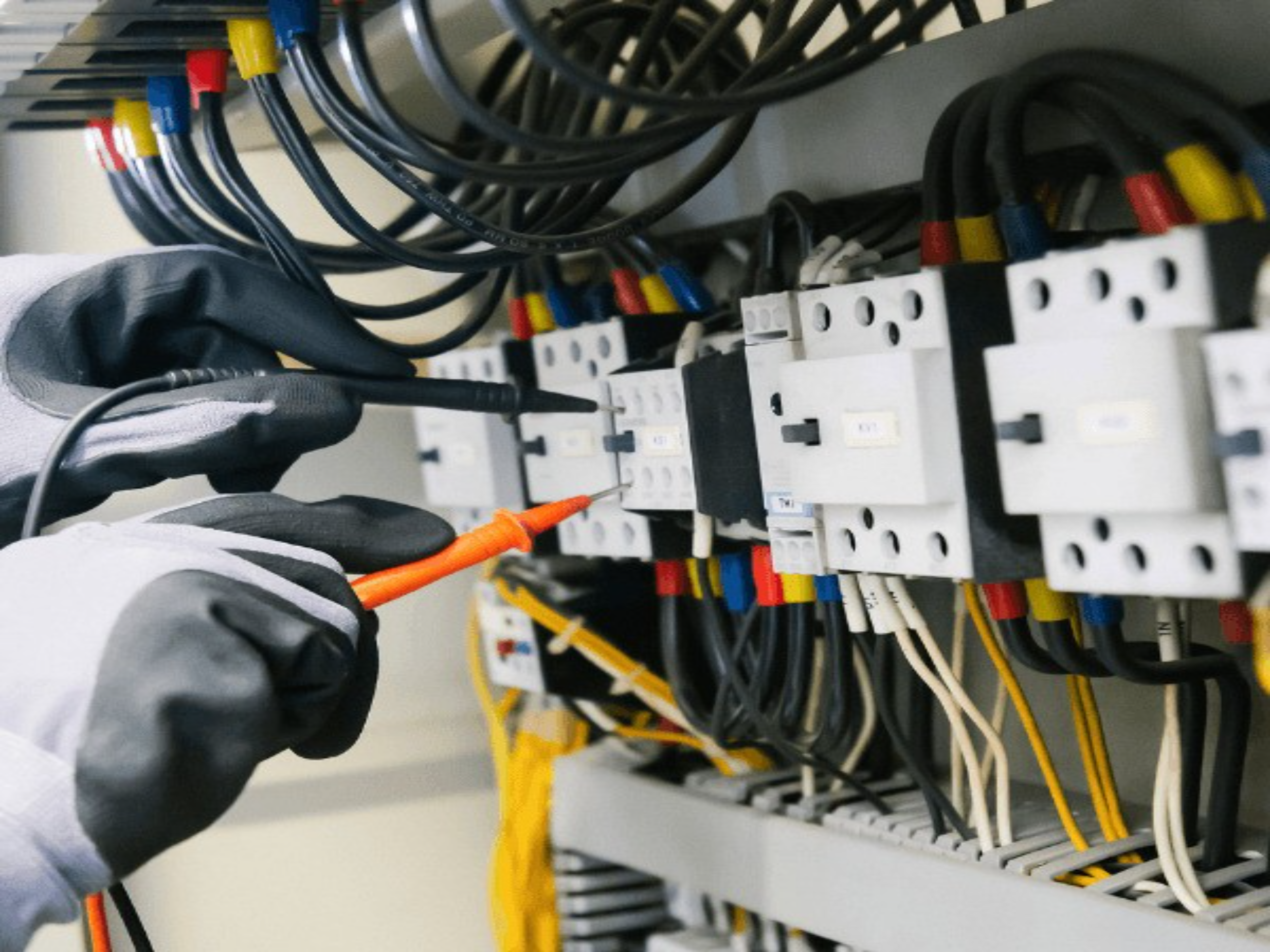
Waiver of examination for electrical licensing in Pennsylvania “Grandfather Clausing”
Reciprocity of electrical licensing in Pennsylvania
Notwithstanding the provisions of subsections (a)(5), (b)(5) and (c)(4), the board shall grant a license to an individual applying for a license under this act without examination if:
The individual applies within one year of the effective date of section 501.
The individual meets the requirement of age and character and pays the required fee.
For an individual applying for a license as a licensed electrician under this subsection, the individual either:
Submits proof satisfactory to the board of being a current holder of an electrician license issued by a municipality of this Commonwealth, provided that the licensing requirements of the municipality are not less restrictive than this act or regulation of the board;
Submits proof satisfactory to the board of at least 10,000 hours of prior experience providing electrical services; or submits proof satisfactory to the board of completing an electrical apprenticeship training program registered under The Apprenticeship and Training Act.
For an individual applying for a license as a licensed residential electrician under this subsection, the individual either:
submits proof satisfactory to the board of being a current holder of an electrician license issued by a municipality of this Commonwealth, provided that the licensing requirements of the municipality are not less restrictive than this act or regulation of the board; (ii) submits proof satisfactory to the board of at least 6,000 hours of prior experience providing residential electrical services.
submits proof satisfactory to the board of completing an electrical apprenticeship training program registered under The Apprenticeship and Training Act.
For an individual applying for a license as a licensed electrical contractor under this subsection, the individual submits proof satisfactory to the board of currently holding an electrical contractor license issued by a municipality of this Commonwealth.
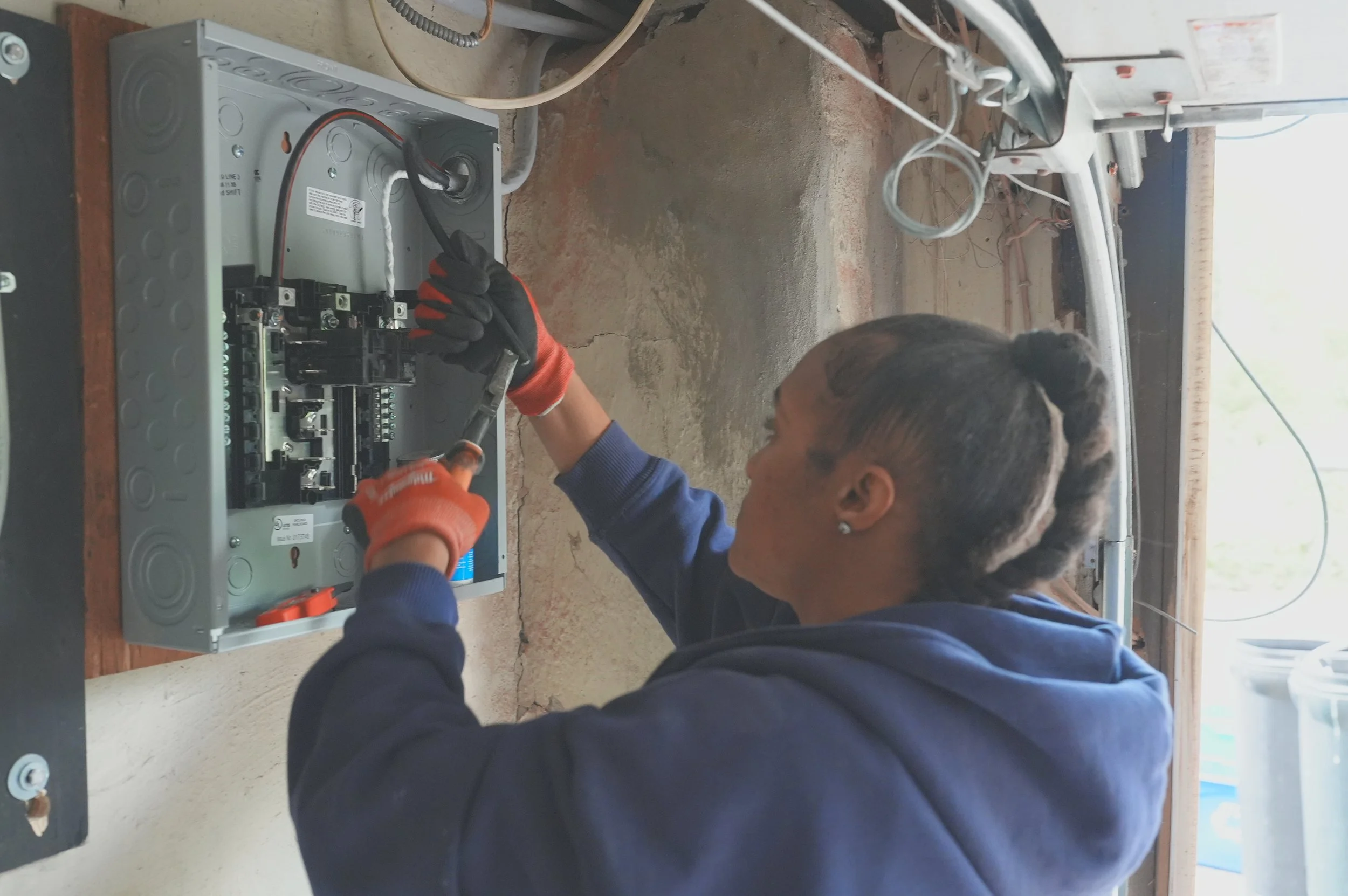
How to Become a “Licensed probationary electrical worker” in Pennsylvania
A Licensed probationary electrical worker is an individual who is licensed by the board and is authorized to perform electrical services under the direct onsite supervision of a licensed electrician. A licensed probationary electrical worker under 18 years of age shall be subject to 34 Pa. Code Pt. 1 Ch. 11 Subchapter B and 29 CFR 570. To be eligible for licensure as a probationary electrical worker, an applicant must fulfill the following requirements:
Be of good moral character. In assessing the moral character of an applicant with a criminal conviction, the board shall conduct an individualized assessment in accordance with 63 Pa.C.S. § 3113.
Be at least 17 years of age.
Complete the application and pay the fee set by the board.
Renewal of license for “Licensed Apprentice Electricians”
A licensed apprentice electrician applying for renewal of a license if registration under subsection (d)(4) has expired or otherwise lapsed before the biennial renewal cycle will expire, the licensed apprentice electrician shall submit satisfactory evidence to the board that the licensed apprentice electrician has renewed
registration.
Failure to notify the board within 30 days that registration has expired or otherwise lapsed shall subject the licensed apprentice electrician to disciplinary action. In the case of a licensed apprentice electrician whose registration has expired or otherwise lapsed, the license shall immediately be placed on inactive status by the board.
Licensed apprentice electricians shall be limited to four licensed apprentice electrician biennial renewals.
The board shall promulgate regulations to carry out the provisions of this subsection.